Practical Tips for Curating Diverse Event Offerings
In today's vibrant cultural landscape, curating a diverse range of events is essential for engaging an audience aged 40 to 60. This article provides practical tips on how to create an inclusive event calendar that caters to varying interests and backgrounds, ensuring that your offerings resonate with your community.
Understanding the Importance of Diversity in Events
Research indicates that events featuring diverse programming not only attract a broader audience but also foster a sense of community and belonging. According to a study by the National Arts Council, diverse cultural events can increase attendance by up to 30% when they resonate with different demographic groups. This works because varied programming meets the interests and preferences of a wider range of attendees.
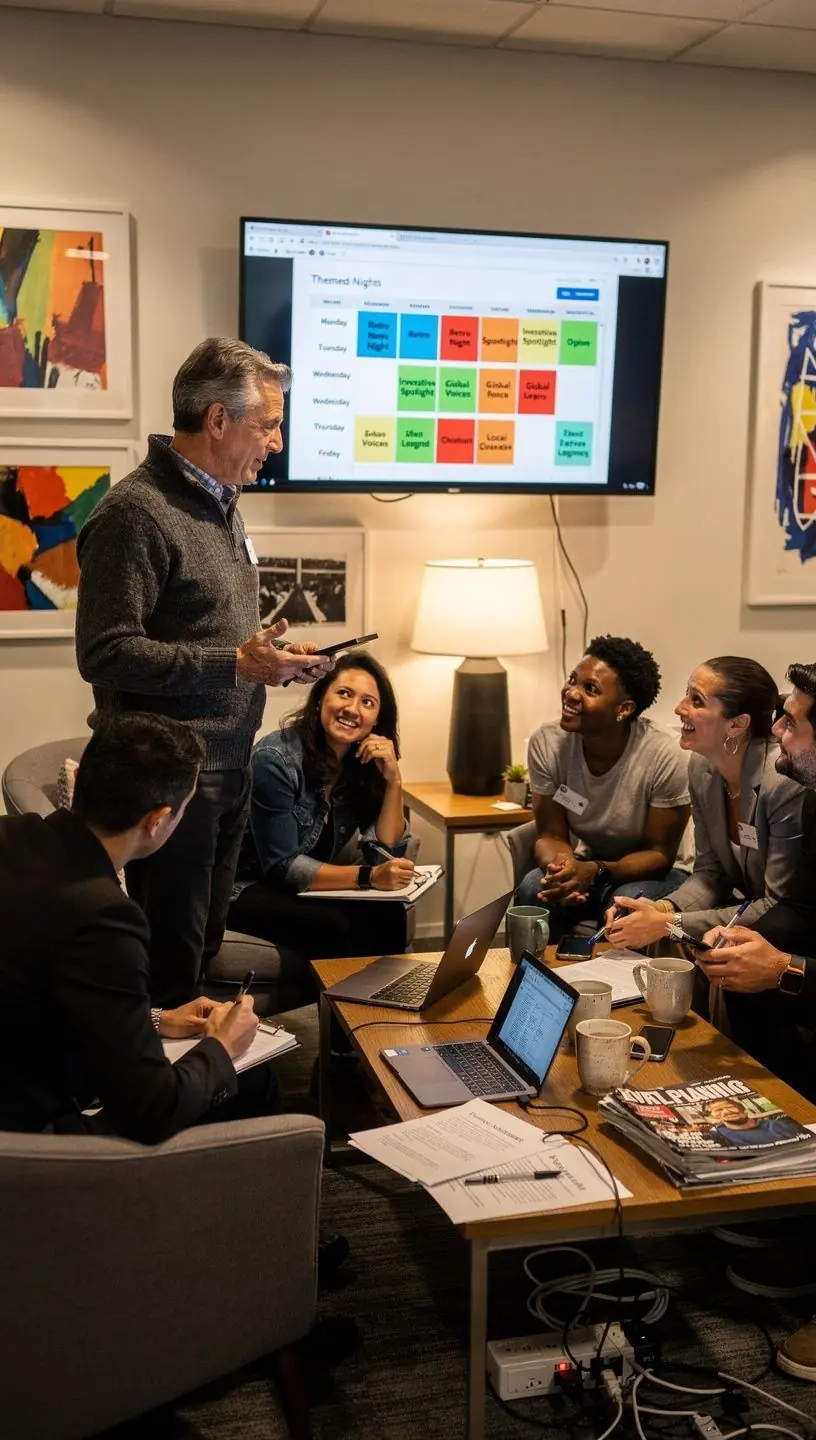
"Events that celebrate diversity often lead to increased engagement and participation from the community." - Industry Experts
Practical Tips for Curating Diverse Offerings
- Research Your Audience: Start by understanding the demographics of your target audience. Surveys and feedback forms can provide valuable insights into their interests and preferences. This process typically requires a commitment of 2-4 weeks to gather and analyze data effectively.
- Collaborate with Local Experts: Partnering with community leaders and organizations can help you tap into unique local insights. Many experts recommend collaboration as it brings authenticity and credibility to your event offerings. This approach may require ongoing communication and relationship-building.
- Diverse Programming Formats: Consider offering events in various formats, such as workshops, lectures, and social gatherings. This flexibility caters to different learning styles and preferences, making it more likely that attendees will find something engaging. However, be mindful that planning a range of formats can demand additional time and resources.
Incorporating Feedback and Continuous Improvement
Once you have curated your event offerings, it's crucial to continually seek feedback from attendees. Studies show that organizations that actively solicit and implement audience feedback can see improvements in satisfaction and repeat attendance. This may involve short surveys after events or informal conversations. The insights gained can guide future programming decisions.
Conclusion
Curating a diverse array of event offerings can significantly enhance community engagement, particularly for an audience aged 40 to 60. By investing time into understanding your audience, collaborating with local experts, and embracing a variety of programming formats, you can create memorable experiences that resonate with all attendees. While this approach may require effort and dedication, the potential benefits for your community and your events are well worth it.